Mapping Yiddish Dialects

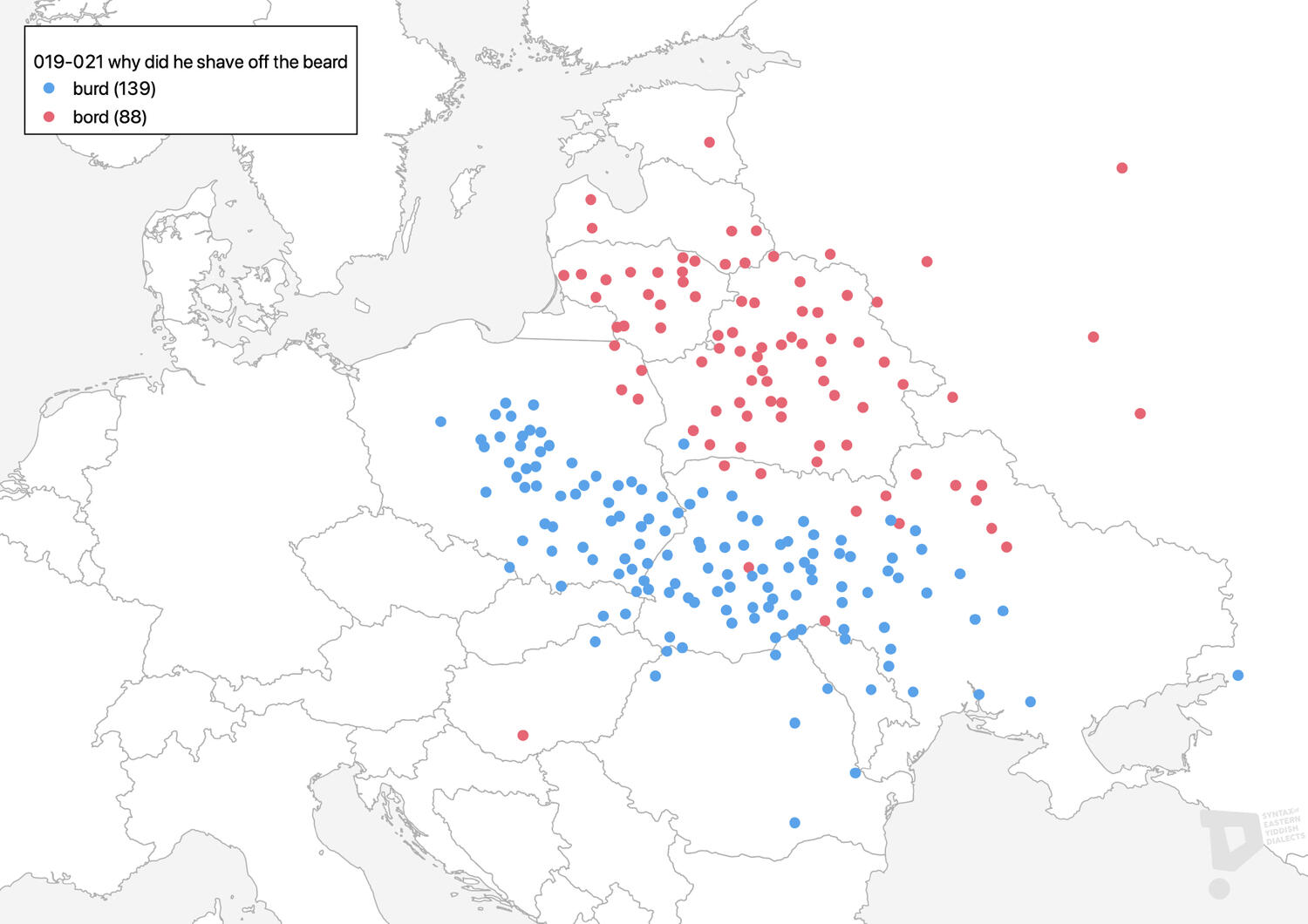
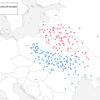
Map 1. The Yiddish word for “beard”

Red: bord
Blue: burd

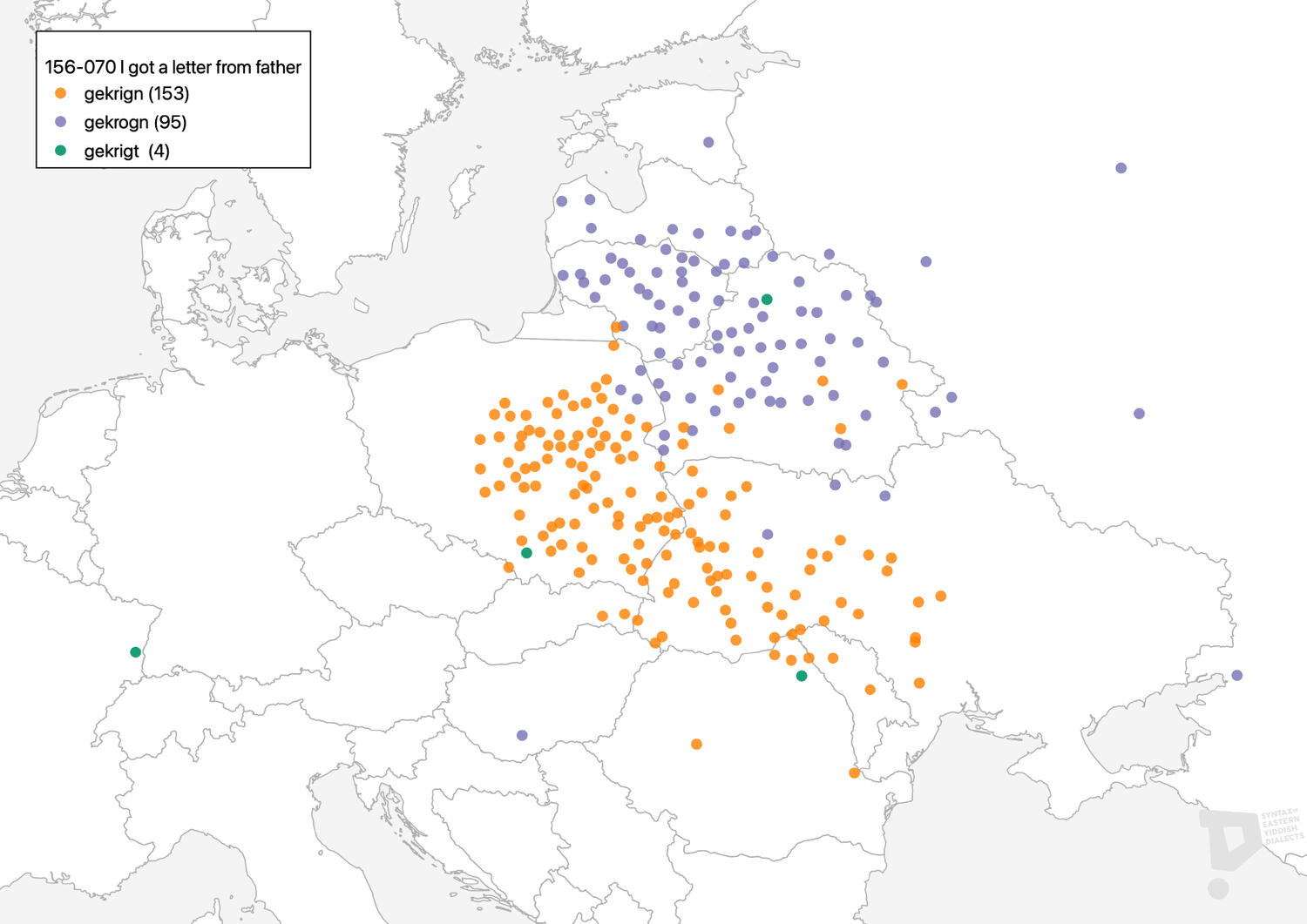
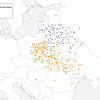
Map 2. The Yiddish past tense of krign, “receive”

Purple: gekrogn
Orange: gekrign
Green: gekrigt

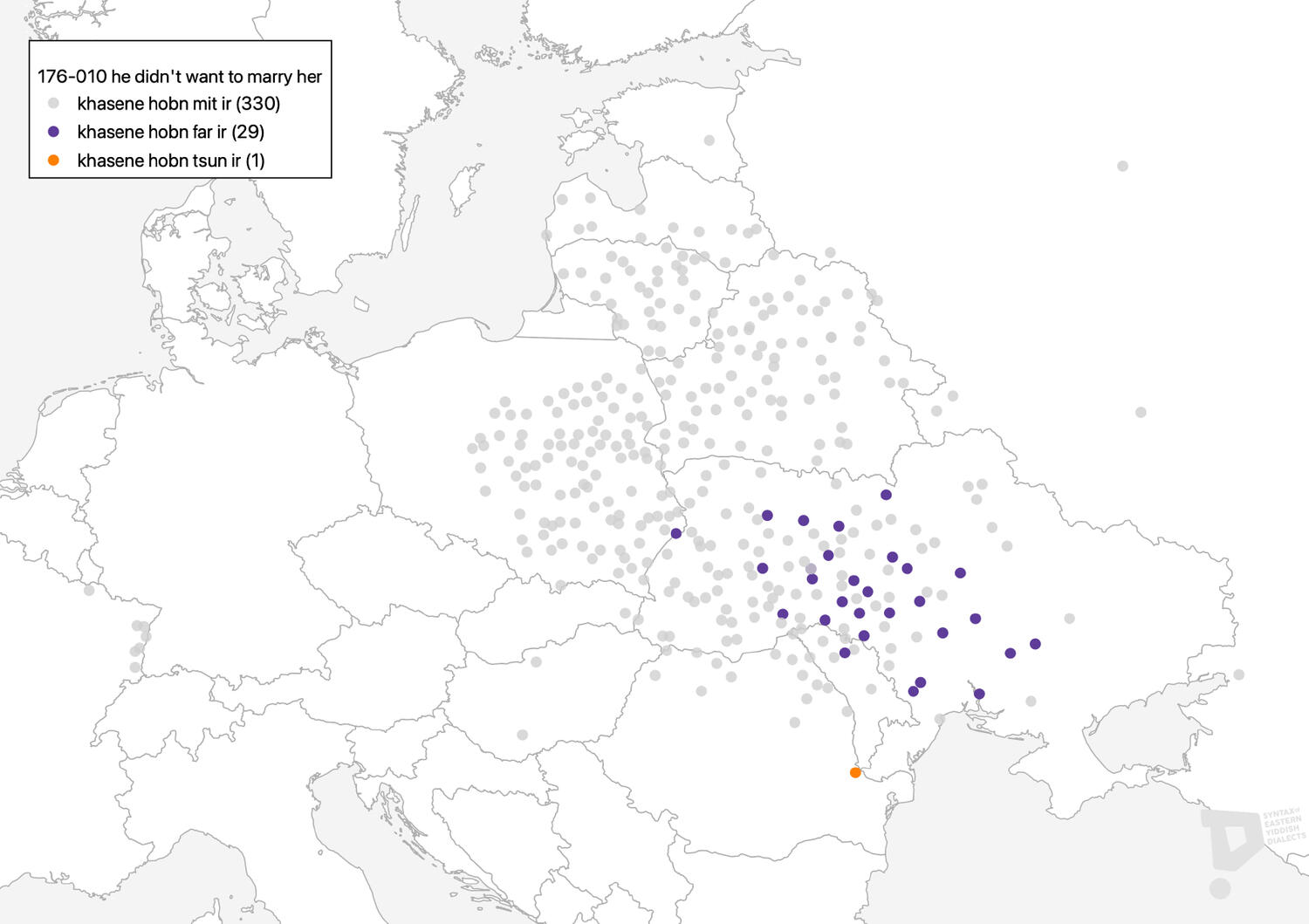
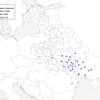
Map 3. Prepositions used in the Yiddish phrase khasene hobn ___ ir, “marry her”

Gray: mit (with)
Purple: far (for)
Orange: tsun (to)

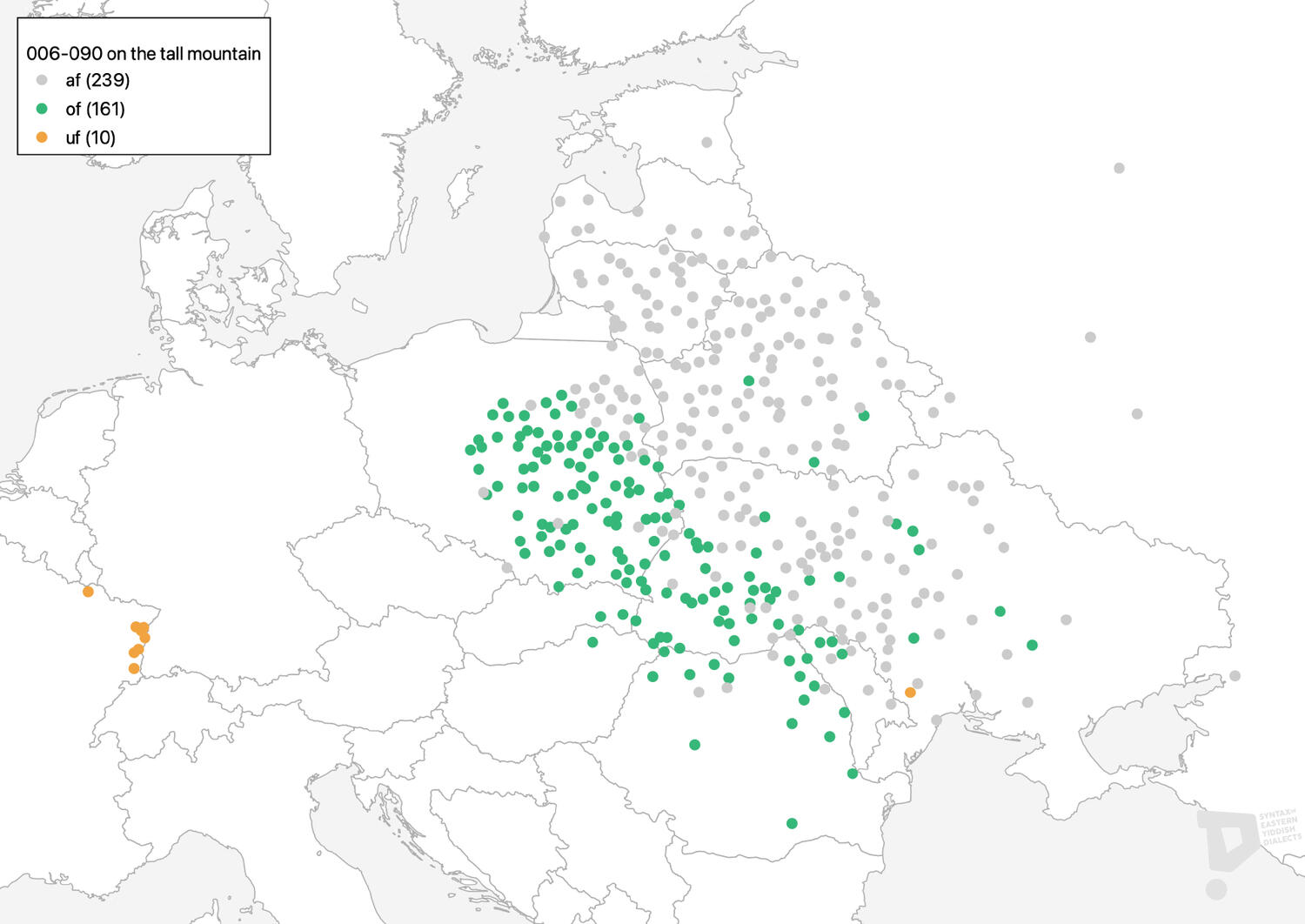
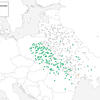
Map 4. The Yiddish word for “on”

Gray: af
Green: of
Orange: uf

Credits

  1. Lea Schäfer, “Yiddish Dialect Maps,” in “Transliterations and Mappings of LCAAJ Field Notes (SEYD Project),” Columbia Academic Commons, 2022, doi: 10.7916/d8-nc5d-ep60.

  2. Lea Schäfer, “Yiddish Dialect Maps,” in “Transliterations and Mappings of LCAAJ Field Notes (SEYD Project),” Columbia Academic Commons, 2022, doi: 10.7916/d8-nc5d-ep60.

  3. Lea Schäfer, “Yiddish Dialect Maps,” in “Transliterations and Mappings of LCAAJ Field Notes (SEYD Project),” Columbia Academic Commons, 2022, doi: 10.7916/d8-nc5d-ep60.

  4. Lea Schäfer, “Yiddish Dialect Maps,” in “Transliterations and Mappings of LCAAJ Field Notes (SEYD Project),” Columbia Academic Commons, 2022, doi: 10.7916/d8-nc5d-ep60.

Engage with this Source

In all the regions where it was spoken, Yiddish developed geographic variation in its pronunciations and grammatical features. These map-based resources offer a visual representation of this rich history. In the 1920s, Jews in the Soviet Union began to document Yiddish dialects, recorded in the Yiddish Language Atlas of the Soviet Union (1931), which linguist Leyzer Vilenkin wrote on the basis of Mordkhe Veynger’s research. After World War II, Jews in America, led by Uriel Weinreich, continued this effort. Based on thousands of hours of interviews with immigrants from Europe, they created the Language and Culture Atlas of Ashkenazic Jewry, a multi-volume publication with hundreds of maps. These maps offer a historical record of how Yiddish was used in the many cities, towns, and villages where Jews lived. We see that Yiddish varied in lexicon (words), phonology (pronunciation), and morphosyntax (word order and inflection). Each map explores a different variable, a word or syntactic constructions with two or more forms. On many of the maps, it is possible to draw an isogloss—a line separating most tokens of one variant from most tokens of another variant.

Based on the data that Weinreich and his team collected, Lea Schäfer, a twenty-first-century German scholar, created an online interactive map with dozens of variables.

Read more