

An Ancient Israelite Legal Complaint on an Ostracon
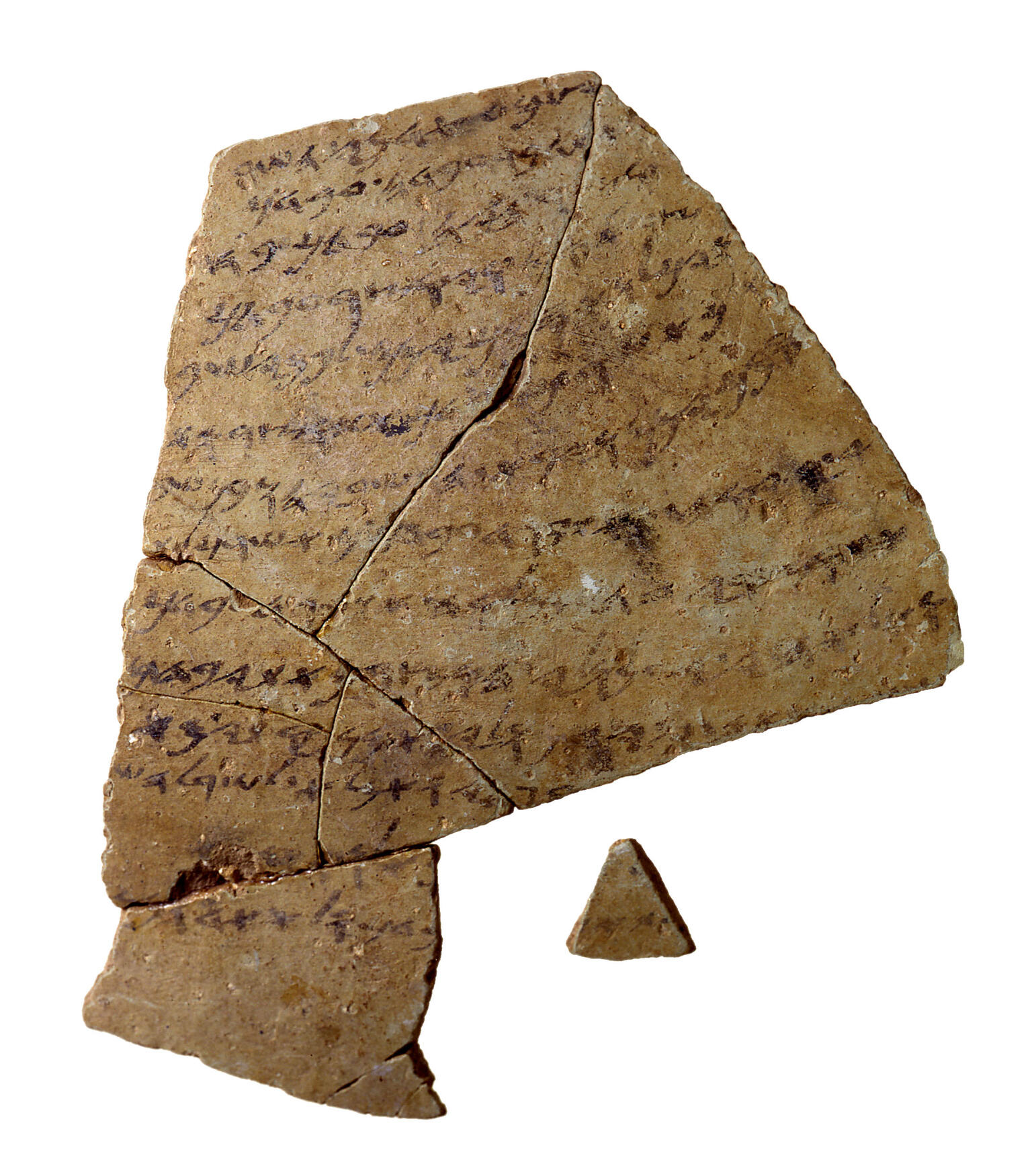
This complaint of mistreatment by a superior is written in Hebrew on an ostracon (a piece of broken pottery used to write on) from Metsad Hashaviahu (between Tel Aviv and Ashdod), from the last quarter of the seventh century BCE. In the text, a worker states that a superior took his garment despite the laborer having fulfilled his work requirements. This letter may not be simply an appeal for help, but rather a legal complaint, since it is reminiscent of the laws and practices in Exodus 22:25, Deuteronomy 24:10–13, and Amos 2:8, though the circumstances seem different. This is the only extrabiblical legal document found in Israel from before the Babylonian exile.


Related Guide
The Ancient Near Eastern Background of Biblical Law
Biblical law was influenced by the legal collections of its powerful neighbors, especially the Babylonians and Assyrians.
You may also like

Aramaic Record of a Slave Sale
This 4th-century BCE Aramaic deed from the Samaria papyri records the sale of a slave in perpetuity, deviating from biblical legal norms.
Redemption Record for an Enslaved Israelite
This clay tablet from Assyria records the redemption of an Israelite man from debt slavery.
Purchase of Woman in Gozan
A man with a Hebrew name purchases a woman in this document from the Syrian city of Gozan.
Legal Order Forbidding a Couple to Meet
A Jewish woman in Sippar is prohibited from meeting a Babylonian man, under the threat of enslavement.
Rental of a Slave in Ancient Babylonia
A man from Judahtown rents out his slave to serve as security and work off the interest on a personal debt.
Division of a Jewish Man's Estate in Babylonia
An estate's assets, including slaves, are distributed among the heirs of a man named Ahikam.