


2026–2027 Jewish Studies Curriculum Initiative Fellowship

About
The Posen Library is an educational resource grounded in primary sources and made broadly accessible through the creation and curation of engaging contextual material. Our goal is to highlight the varieties of Jewish culture and civilization across time and space for English-speaking audiences and to be the first stop for those, in university settings and beyond, who are interested in teaching about the significant breadth of Jewish experiences.
Originally conceived as a 10-volume print anthology, the Posen Library’s free digital platform makes the published content globally accessible. Content from print volumes is added to the site as the volumes are published by Yale University Press. Nine out of the ten volumes have been published to date.
The Jewish Studies Curriculum Initiative (JSCI) comprises teaching modules centered around core teaching topics. Each module consists of an overview and curricular material that can be used in four class meetings, focusing on 20–25 primary sources (texts, images, and other media) with interpretive content and supplementary resources for both students and instructors. Posen Library curricula offer flexibility and are designed to be easily integrated into coursework in a variety of ways—perfect for launching a new class or refreshing a syllabus to include new perspectives and voices.
Fellowship Description
The Posen Library JSCI Fellowship is an annual, one-year offering devoted to the creation of accessible teaching materials for Jewish studies courses at the university level, in fulfillment of our mission to be the first stop for instructors teaching about the breadth of Jewish cultures and experiences. Each year the fellowship invites innovative scholars and educators to draw from the Posen Library’s collection and new digital resources to engage users.
2026–2027 Fellows
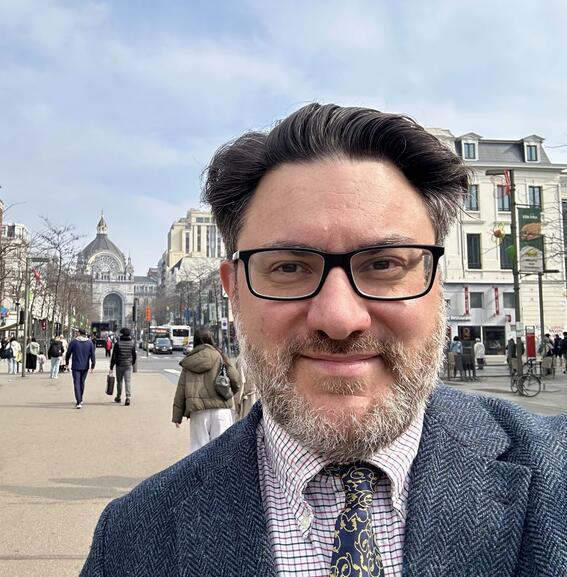
Theodor Dunkelgrün
Assistant Professor of Jewish History, University of Antwerp
Theodor Dunkelgrün was educated at the Universities of Leiden and Chicago and has held several research fellowships, including at the Oxford Centre for Hebrew and Jewish Studies, the Katz Center for Advanced Judaic Studies at the University of Pennsylvania, and the University of Cambridge. He has published widely on the History of the Book and the History of Scholarship, with special interest in the editorial and material history of the Hebrew Bible in the Early Modern period. He is the author of The Multiplicity of Scripture: The Making of the Antwerp Polyglot Bible (Toronto: PIMS, 2025) and the editor of five volumes, including The Jewish Bookshop of the World: Aspects of Print and Manuscript Culture in Early Modern Amsterdam (= Studia Rosenthaliana 46, 2020) and, together with Paweł Maciejko, Bastards and Believers: Jewish Converts and Conversion from the Bible to the Present (Philadelphia: University of Pennsylvania Press, 2020).
Dr. Dunkelgrün’s module will focus on Jews in Early Modern Muslim lands.
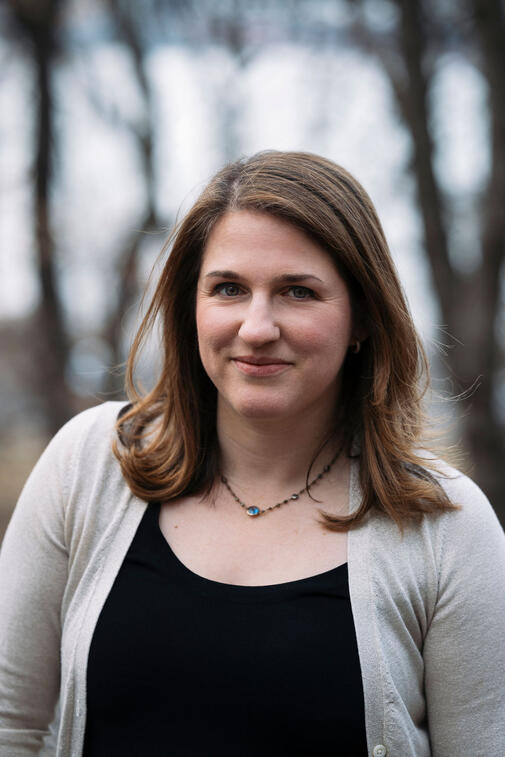
Jordan Katz
Assistant Professor of Judaic Studies, University of Massachusetts Amherst
Jordan Katz is a historian of Early Modern Jewry, with an emphasis on the interplay between healthcare, civic life, Jewish communities, and gender in Early Modern Europe. Her work asks: How did Jews and Christians create a shared space of healthcare, and what were its limitations? How did gender impact the experience of healthcare for both providers and patients? And finally, what was the relationship between Jews, Christians, and civic authorities, and how did this differ across time and place? Katz’s first book, Delivering Knowledge: Jewish Midwives and Hidden Healing in Early Modern Europe (Stanford, 2026), explores these topics through the lens of Jewish midwives, showing that midwives played critical roles in early modern Europe, both as extensions of Jewish communal authority, as municipal employees, and as agents of burgeoning medical bureaucracies. Her work has been supported by fellowships from the Memorial Foundation for Jewish Culture, the Women's Studies in Religion Program at Harvard Divinity School, and the Hadassah-Brandeis Institute.
Dr. Katz’s module will focus on Jews in Early Modern Europe.
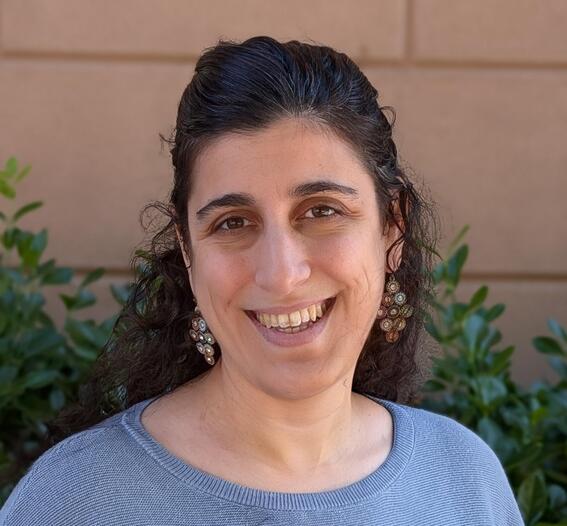
Daniela R. P. Weiner
Teaching Assistant Professor in the First Year Experience and Humanities, Stevens Institute of Technology
Daniela R. P. Weiner’s research focuses on Holocaust history, memory, and education. Her book, Teaching a Dark Chapter: History Books and the Holocaust in Italy and the Germanys, was published in 2024 by Cornell University Press. She is currently working on two projects: one on the history of Holocaust education at American universities and one on the experiences of converts from Judaism to Catholicism during the Holocaust. Dr. Weiner holds a Master’s degree in Education: Educational Studies from Johns Hopkins University and a PhD in History from the University of North Carolina at Chapel Hill. Before taking her faculty position at Stevens, she was a Jim Joseph Postdoctoral Fellow at the Stanford Graduate School of Education and a Lecturer in the Civic, Liberal, and Global Education program, also at Stanford.
Dr. Weiner’s module will focus on the Holocaust.
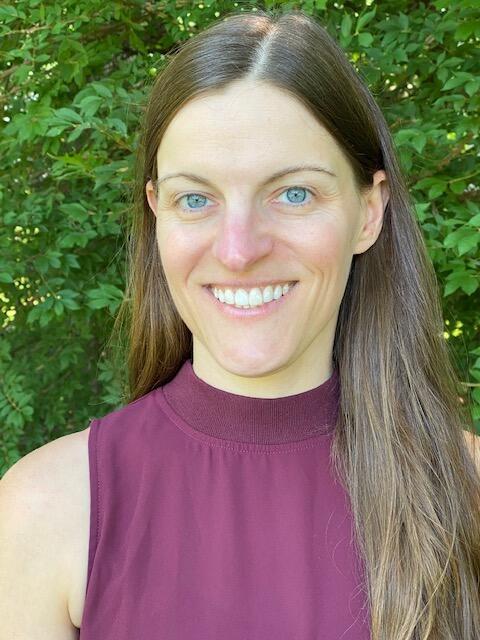
Amy Weiss
Associate Professor of Judaic Studies and History, University of Hartford
Amy Weiss holds the Maurice Greenberg Chair of Judaic Studies at the University of Hartford. Her research and publications focus on the intersections of American Jewish history, Jewish-Christian relations, and US-Israel relations. Most recently, she received a 2025–2026 Memorial Foundation for Jewish Culture Fellowship and a 2024 National Endowment for the Humanities Summer Stipend to assist with the completion of her first book. Interfaith Friends and Ideological Foes: American Jews, Evangelicals, and Israel, 1963–2018 will be published by Oxford University Press in September 2026. Amy's work has appeared in several edited volumes and academic journals, including American Jewish History, Holocaust and Genocide Studies, and Israel Studies.
Dr. Weiss’s module will focus on Jews and Judaism after World War II.

Ori Yehudai
Associate Professor of History, Ohio State University
Ori Yehudai holds the Schottenstein Chair in Israel Studies at Ohio State University. He received his BA and MA in history from Tel Aviv University and his PhD in history from the University of Chicago. His research focuses on the history of Modern Israel, with an emphasis on migration and the Israeli-Palestinian conflict. He is the author of Leaving Zion: Jewish Emigration from Palestine and Israel after World War II, which was a finalist in the National Jewish Book Awards. His peer-reviewed articles have explored themes such as displacement, diaspora, violence, ethnicity, and humanitarianism. His current research project is entitled “Violence between Wars: the Israeli-Palestinian Conflict, 1967–1982.” He teaches classes on the history of Zionism and Modern Israel, the Arab-Israeli conflict, Israeli-Palestinian relations, and Jewish migration and displacement. He is coeditor of the Journal of Israeli History.
Dr. Yehudai’s module will focus on the history of Zionism.
2025–2026 Fellows
The 2025 JSCI fellows' modules are now available here.
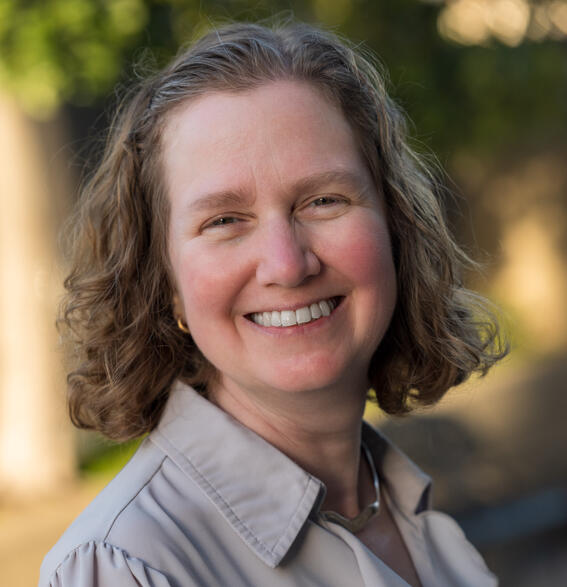
Sarah Bunin Benor
Professor of Contemporary Jewish Studies, Hebrew Union College, Los Angeles
Sarah Bunin Benor received her PhD from Stanford University in linguistics in 2004. She has published and lectured widely about sociolinguistics, Jewish names, and Jewish languages, especially Jewish English, Hebrew, Yiddish, and Ladino. Her award-winning books include Becoming Frum: How Newcomers Learn the Language and Culture of Orthodox Judaism (Rutgers University Press, 2012) and Hebrew Infusion: Language and Community at American Jewish Summer Camps (Rutgers University Press, 2020). Dr. Benor co-edits the Journal of Jewish Languages and directs the HUC Jewish Language Project, which features the Jewish Language Website, the Jewish English Lexicon, and the Heritage Words Podcast, which Dr. Benor hosts and produces.
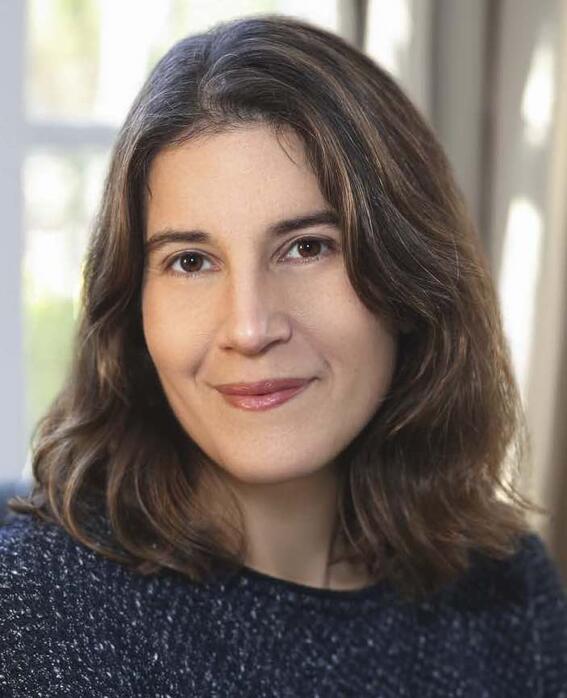
Lila Corwin Berman
Paul and Sylvia Steinberg Professor of American Jewish History, New York University
Dr. Berman’s research focuses on the political history of the United States, including the history of Jewish philanthropy and Jewish urban politics. Her forthcoming book, Who Is American? Jews, Citizenship, and Belonging (Princeton University Press), explores how categories of citizenship and rights changed over the course of the twentieth century and what this meant for Jewish belonging in the United States. Berman’s work draws attention to the ways Jews have defined, debated, and sought national membership in a variety of contexts. As a teacher, she prioritizes close and careful reading of primary sources and models a diversity of methods for understanding the meaning and lessons of the past.
Erez DeGolan
Assistant Professor of Classical Rabbinic Judaism, Fordham University
Erez DeGolan’s research and publications combine textual, historical, and critical methods in thematic studies of rabbinic literature from the first to the seventh centuries. He is especially interested in emotion in rabbinic literature and in the ways figures in emerging Judaism negotiated authority and empire. Dr. DeGolan holds a BA in Hebrew literature and Middle Eastern history from Tel Aviv University, an MTS in Jewish studies from Harvard Divinity School, and a PhD in religious studies and ancient Judaism from Columbia University. He was the 2023–2025 Mellon Postdoctoral Fellow in Jewish studies at Wellesley College and has taught and lectured on topics related to rabbis, bodies, humor, and politics in premodern Judaism.
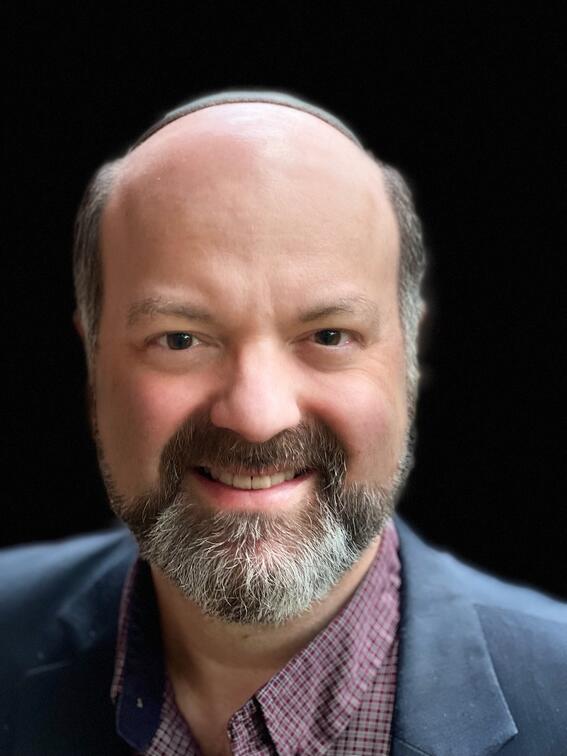
Eitan P. Fishbane
Professor of Jewish Thought and Mysticism, Jewish Theological Seminary of America
Eitan Fishbane has published and taught extensively on sacred time and ritual practice in Jewish mysticism from medieval to modern times. Among Dr. Fishbane’s authored and edited books are The Art of Mystical Narrative: A Poetics of the Zohar (Oxford University Press, 2018) and The Sabbath Soul: Mystical Reflections on the Transformative Power of Holy Time (Jewish Lights Publishing, 2012), a volume designed for a general readership and with an eye toward theological and spiritual meaning. He is currently completing a related volume entitled The Sabbath in Hasidic Thought: Sacred Time and Mystical Consciousness. You can find out more about him at www.eitanfishbane.com.
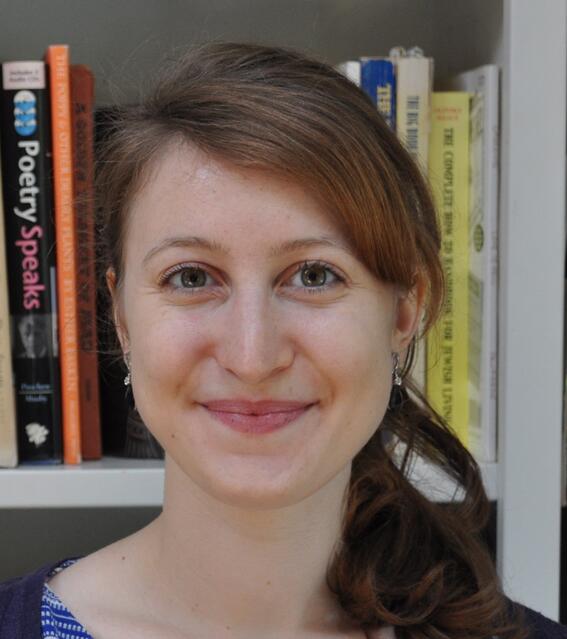
Geraldine Gudefin
Associate Editor
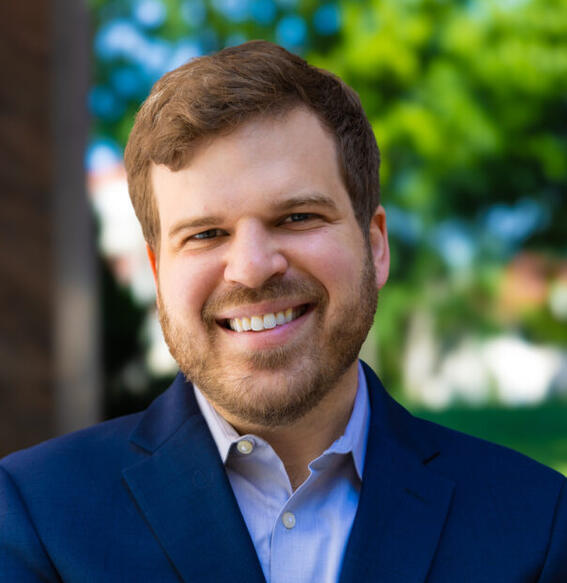
Geoffrey Levin
Associate Professor of Middle Eastern and Jewish Studies, Emory
Geoffrey Levin is a 2025–2026 Koch Junior Fellow in history at the University of Oxford, where he is working on a book entitled The Other Part of Us: American Jews and Middle Eastern Jewish Dilemmas, 1941–1979, which will examine the broader encounter between MENA Jews and American Jews in the years surrounding the mass migration of Jews from Arab lands. Levin’s first book, Our Palestine Question: Israel and American Jewish Dissent, 1948–1978 (Yale University Press, 2023), won the American Jewish Historical Society’s Saul Viener Book Prize. He has received an honorable mention for an Israel Institute Syllabus Prize and a 2025 Emory Williams Distinguished Undergraduate Teaching Award.
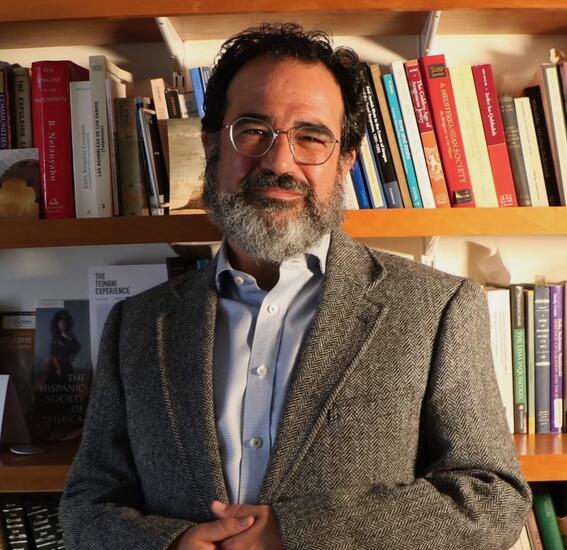
Ronnie Perelis
Chief Rabbi Dr. Isaac Abraham and Jelena (Rachel) Alcalay Associate Professor of Sephardic Studies, Yeshiva University
Ronnie Perelis has taught the history of the Jews of Spain and their diasporas in academic and popular settings throughout the world. His research investigates connections between Iberian and Jewish culture during the medieval and early modern periods, especially the dynamics of religious transformation among crypto-Jews (Jews who continued to practice Judaism in secrecy after conversion to Catholicism). Perelis was awarded an NEH grant for his project Translating the Americas, together with Flora Cassen. As part of this project he will prepare a critical edition, English translation, and historical study of the rediscovered manuscripts of Luis de Carvajal, a sixteenth-century Mexican crypto-Jewish thinker.
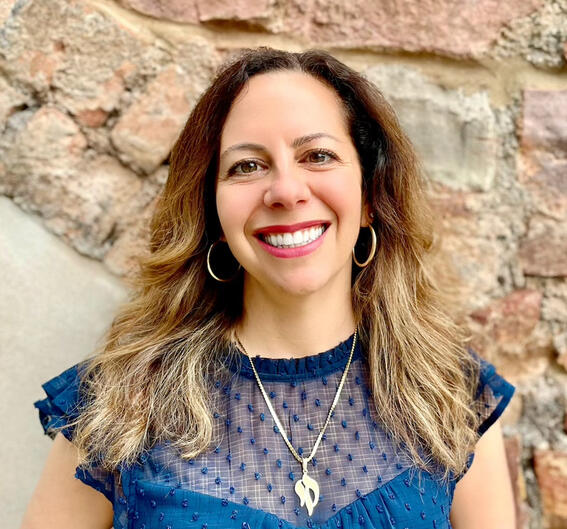
Karen E. H. Skinazi
Professor of Modern Jewish Literature and Culture, Hebrew Union College, Los Angeles
Karen Skinazi is the author of Women of Valor: Orthodox Jewish Troll Fighters, Crime Writers, and Rock Stars in Contemporary Literature and Culture (Rutgers University Press, 2018). She writes widely on Jewish culture and Jewish gender studies and is currently working on a book about British Muslim and Jewish women’s writing, entitled Chani and Fatima Join a Book Club: Reading for Peace, and a study of English-language literature by Sephardic and Mizrahi writers in the United Kingdom and the United States. Her teaching includes courses on Jews in popular culture, contemporary Sephardic and Mizrahi Jews, and rabbis in the cultural imagination.
Module Editors
Sasha Goldstein-Sabbah is assistant professor of Middle Eastern studies at the University of Groningen in the Netherlands. She served on the Posen Library advisory board from 2022 to 2024.
Noam Pianko is Samuel Stroum Professor of Jewish Studies at the University of Washington. He served on the Posen Library advisory board from 2022 to 2024.