

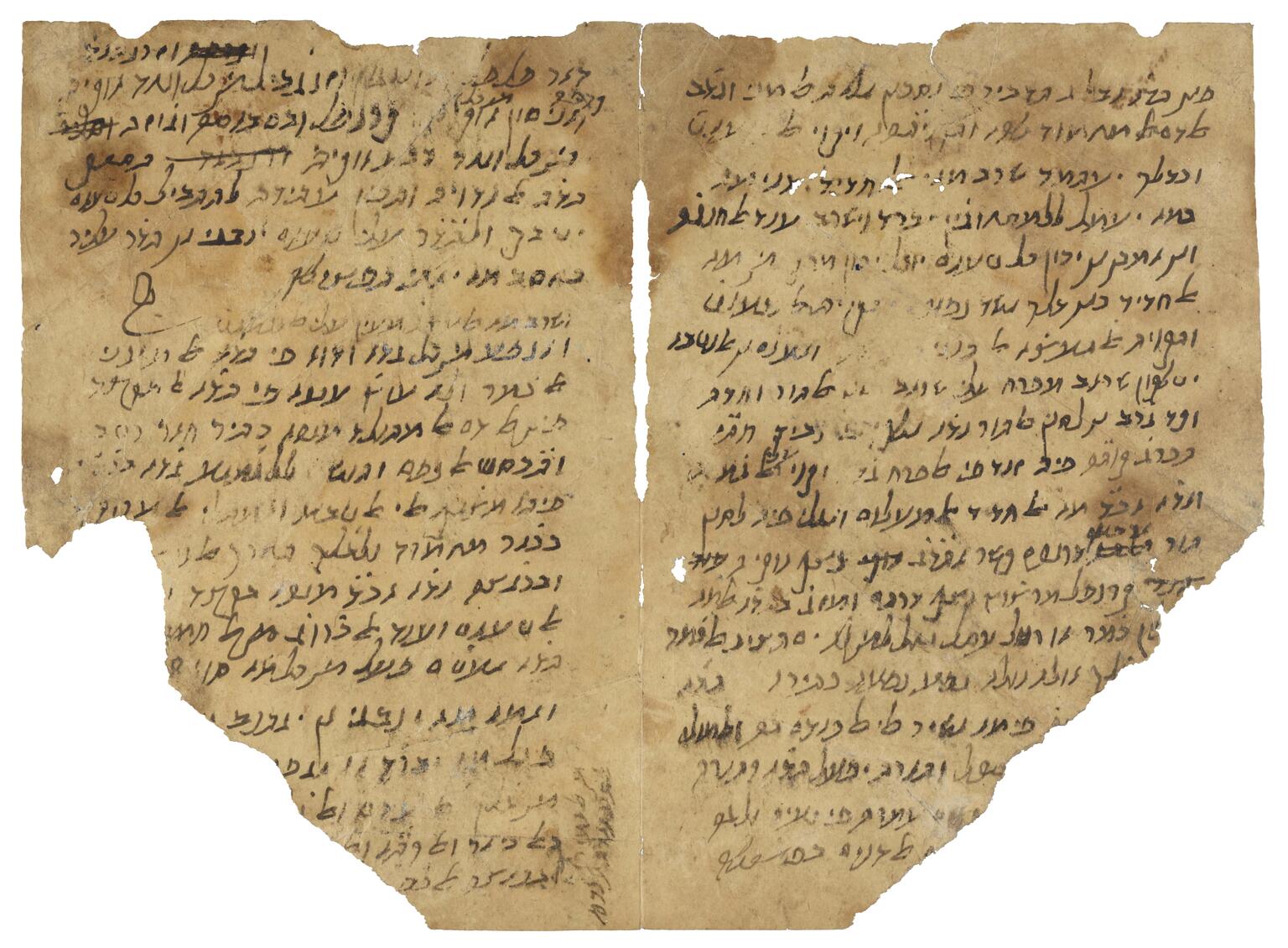
Book on Coitus
Image
Please login or register for free access to Posen Library
Already have an account?
You may also like


The Cure of Souls: Curriculum of Study
Ṭibb al-nufūs
Reading and Writing: The method of instruction must be so arranged that the teacher will begin first with the script, in order that the children may learn their letters, and this is to be kept up…

The Cure of Souls: Ethical Sayings
1. When one of the trained moralists, who are famous for their piety, was asked: “What was the happiest day in your life?,” he replied: “Travelling on a boat one day, dressed in shabby clothes, I was…

The Cure of Souls: On Knowledge
Ṭibb al-nufūs, Chapter 27 (selections)
On the rules of the teacher and the disciple:
As for the requirements of a teacher, there are seven. The first is that he should know the thing he wishes to teach perfectly.
The perfection…

Guide of the Perplexed: On Knowing God
Guide of the Perplexed III:51 (selections)
Know that all the practices of the worship, such as reading the Torah, prayer, and performance of the other commandments, have only the end of training you to occupy yourself with…
On the Regimen of Health
Fī tadbīr al-siḥḥa
This Servant says: If man were to conduct himself as he manages the animal he rides, he would be safeguarded from many ailments. That is, you find no one who throws fodder to his animal haphazardly…