

The Gamala Synagogue Complex
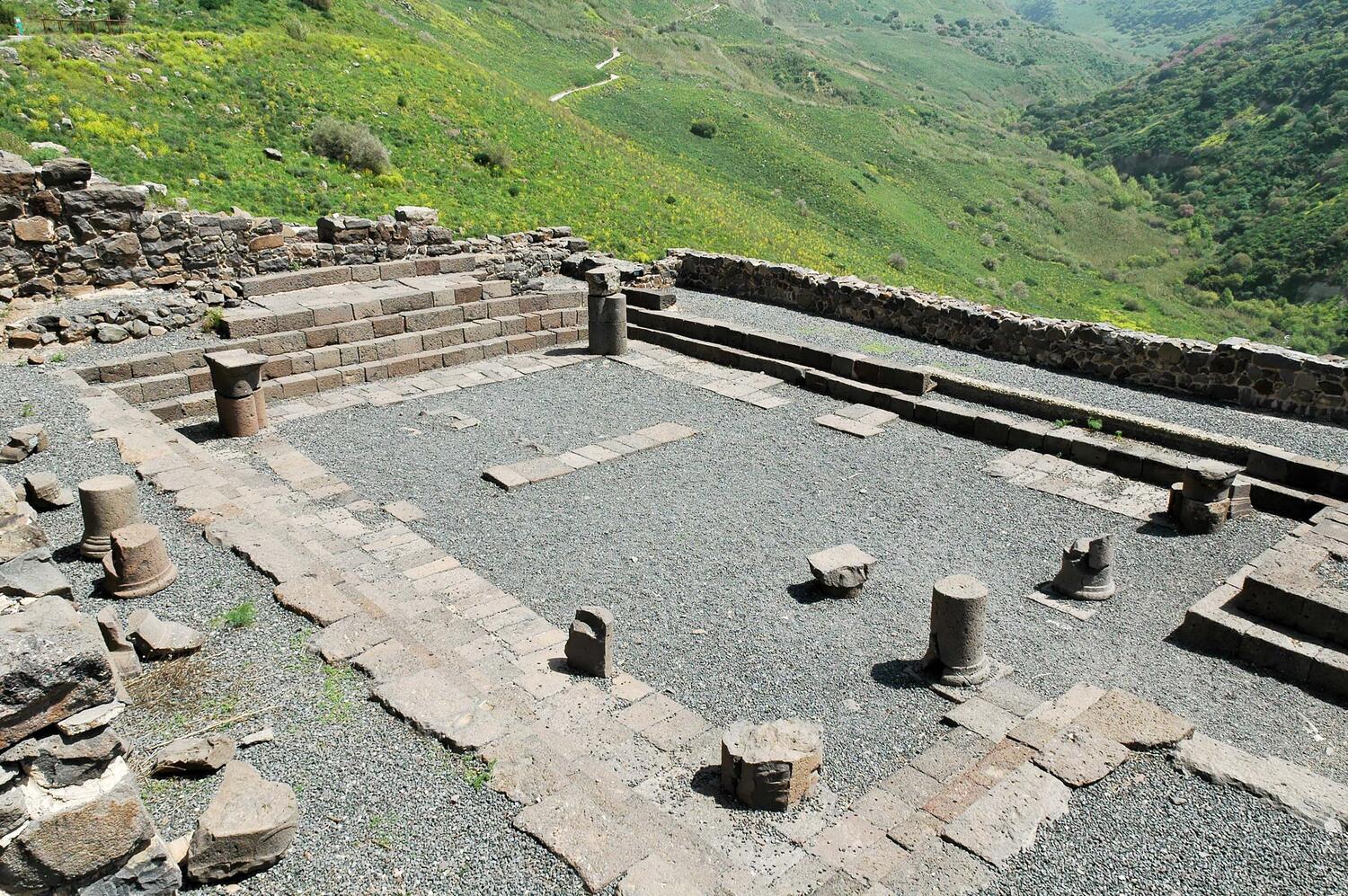

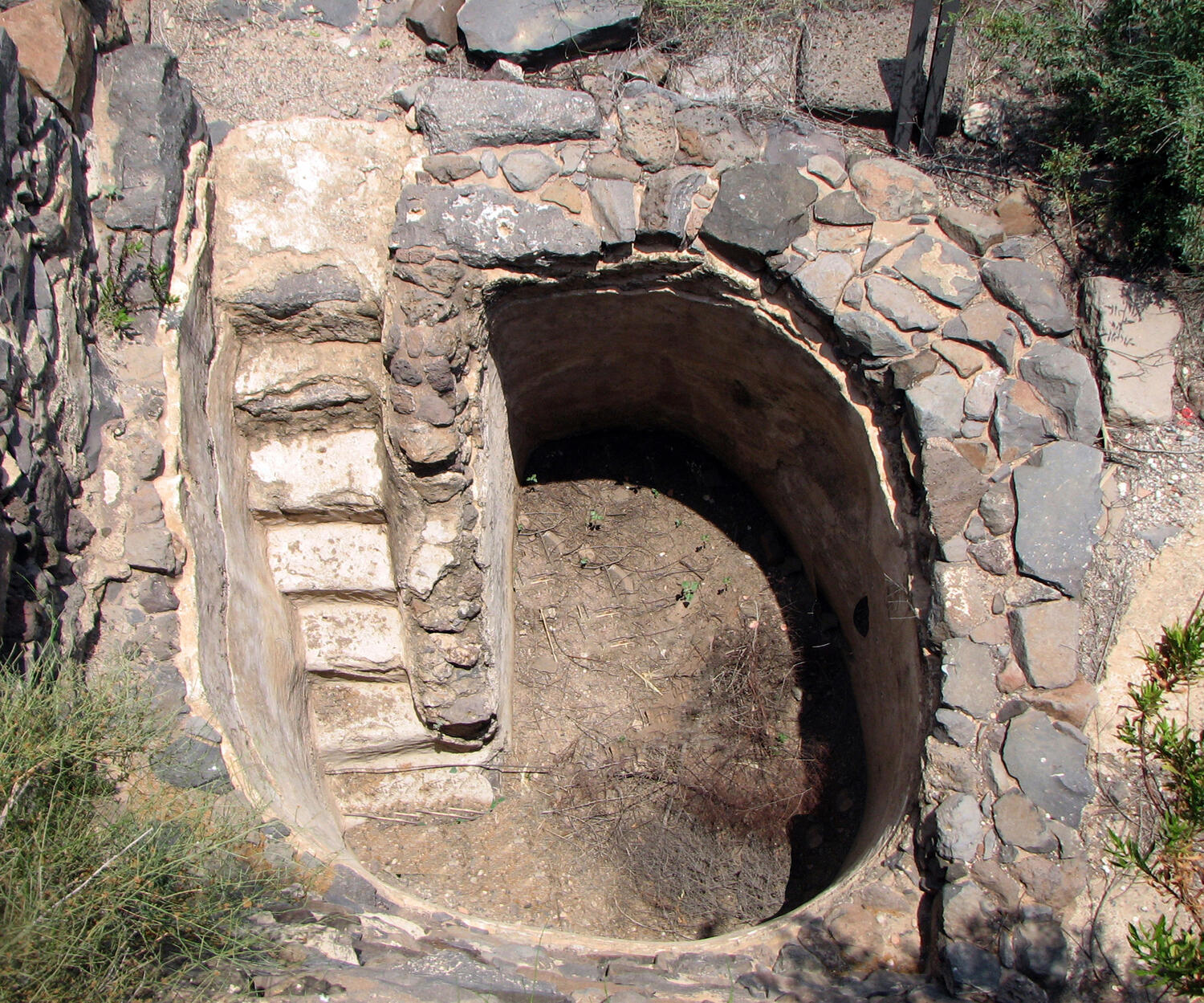
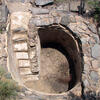
The earliest archaeological remains of identifiable synagogue buildings date to the early Roman period and come from the land of Israel. The synagogue at Gamala is one of only a handful of synagogues dated to the late first century BCE and the only pre–70 CE synagogue in the Galilee. Most early synagogue buildings had no distinctive religious characteristics, possibly because their use for worship was only one of the building’s many functions, but also because the Jerusalem Temple was still active and thus retained its privileged status as the central religious institution. The Gamala synagogue included an assembly hall lined with multitiered benches, indicating its public function. This hall was adjoined by a number of small rooms that were probably used for storage. In front of the synagogue stood a mikveh, which could have been part of the synagogue property and used by the local community. This mikveh is round with seven steps leading into the pool. The synagogue roof was supported by Doric columns, and an alcove for Torah scrolls was located in the northwestern corner. For more on the history of Gamala, see “Battle at Gamala.”
Credits
-
© Todd Bolen / BiblePlaces.com.
-
Dr. Leen Ritmeyer, Ritmeyer Archaeological Design.
-
© Z. Radovan / Bible Land Pictures.
Published in: The Posen Library of Jewish Culture and Civilization, vol. 2: Emerging Judaism.
You may also like


The Magdala Synagogue

Magdala Synagogue Table

The Ostia Synagogue

The Sardis Synagogue

The Sardis, Baram, and Nabratein Synagogues

Nabratein Synagogue Details
You may also like
The Magdala Synagogue
Magdala Synagogue Table
The Ostia Synagogue
The Sardis Synagogue
The Sardis, Baram, and Nabratein Synagogues