

Shaft Graves, Qumran

Graves in Antiquity
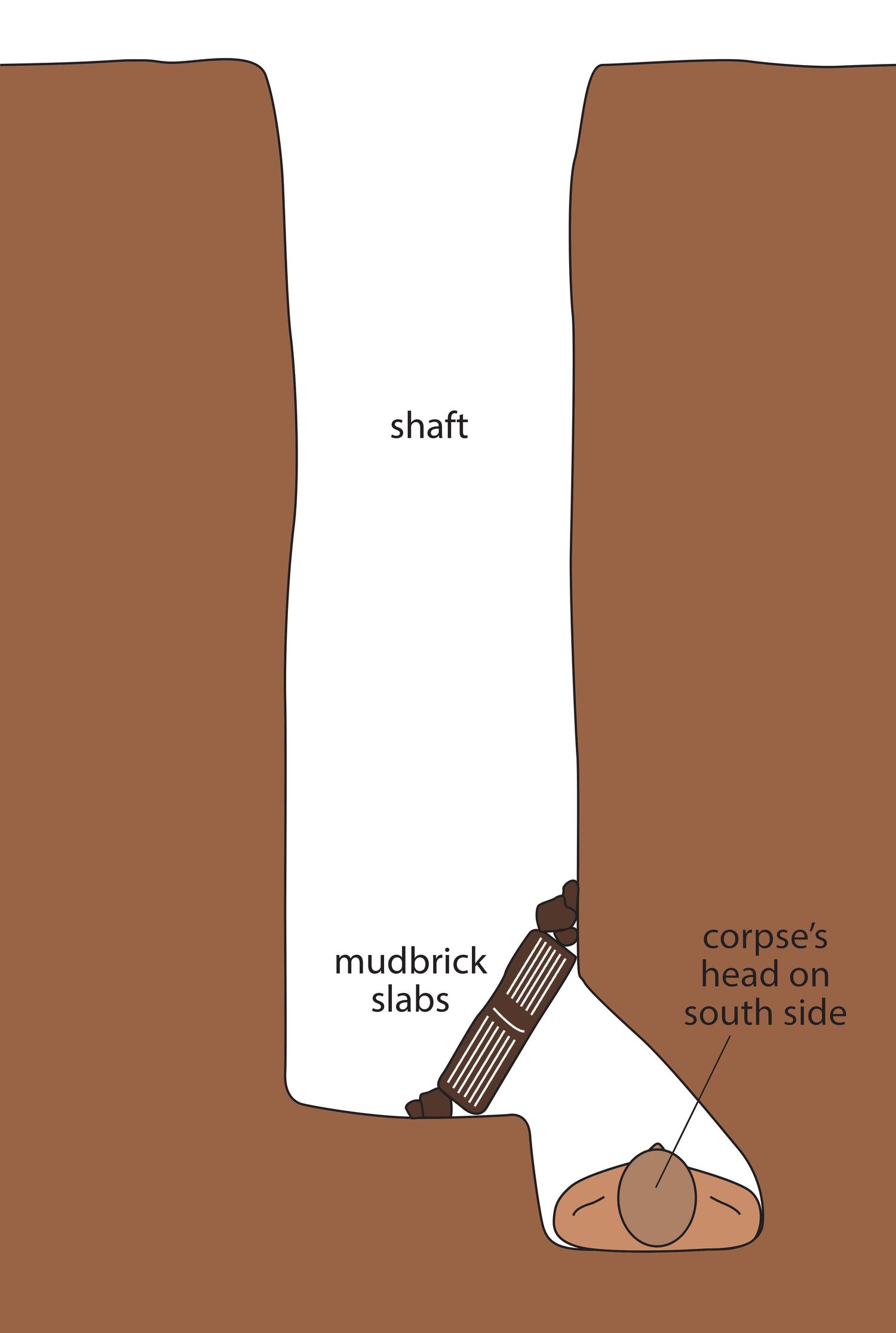
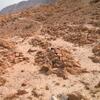
The site of Qumran contains a classic example of a cemetery with shaft graves, dating to the late Hellenistic and early Roman periods. The poorest members of society were buried in such graves and in cist tombs. Both consisted of rectangular shafts dug into the ground, with the latter being shallower. Typically, shaft graves had a side burial chamber at the bottom, but examples with a central chamber are also attested. The chamber could accommodate both single and multiple interments, although the former were more common. Stone slabs or mud bricks were used to seal the chamber, and the shaft was then filled in with earth. The grave was then marked by a heap or outline of stones.
Credits
-
Drawing by Bill Nelson, adapted with permission from Biblical Archaeology Society.
-
© Todd Bolen / BiblePlaces.com.
Published in: The Posen Library of Jewish Culture and Civilization, vol. 2: Emerging Judaism.
You may also like


Wooden Coffin, ‘En Gedi

Herod’s Mausoleum, Herodium

Burial Cave, Jericho

The Catacombs at Beth Shearim

Villa Torlonia Catacombs, Rome

Vigna Randanini Catacombs, Rome
You may also like
Wooden Coffin, ‘En Gedi
Herod’s Mausoleum, Herodium
Burial Cave, Jericho
The Catacombs at Beth Shearim
Villa Torlonia Catacombs, Rome