

The child—there was no one like him
About This Entry
This touching Hebrew lament, in commemoration of the death of the author’s six-year-old son Josiah, survives in several manuscripts in the Cairo Geniza. This poem reflects the father’s pain and also illustrates the ideals that a boy would have been expected to live up to in his day. Yeshu‘a praises Josiah’s keeping of the Sabbath and his commitment to the study of Jewish texts. The reference to Nehemiah alludes to the laws of picking up objects and moving them on the Sabbath. In m. Shabbat 17:4, it reads: “All vessels may be moved [on the Sabbath], either for a purpose or for no purpose. R. Nehemiah says: ‘They may not be moved [on the Sabbath] unless for a purpose.’” This son, the poet suggests, was stricter even than R. Nehemiah, as he would not move a vessel even for a purpose.
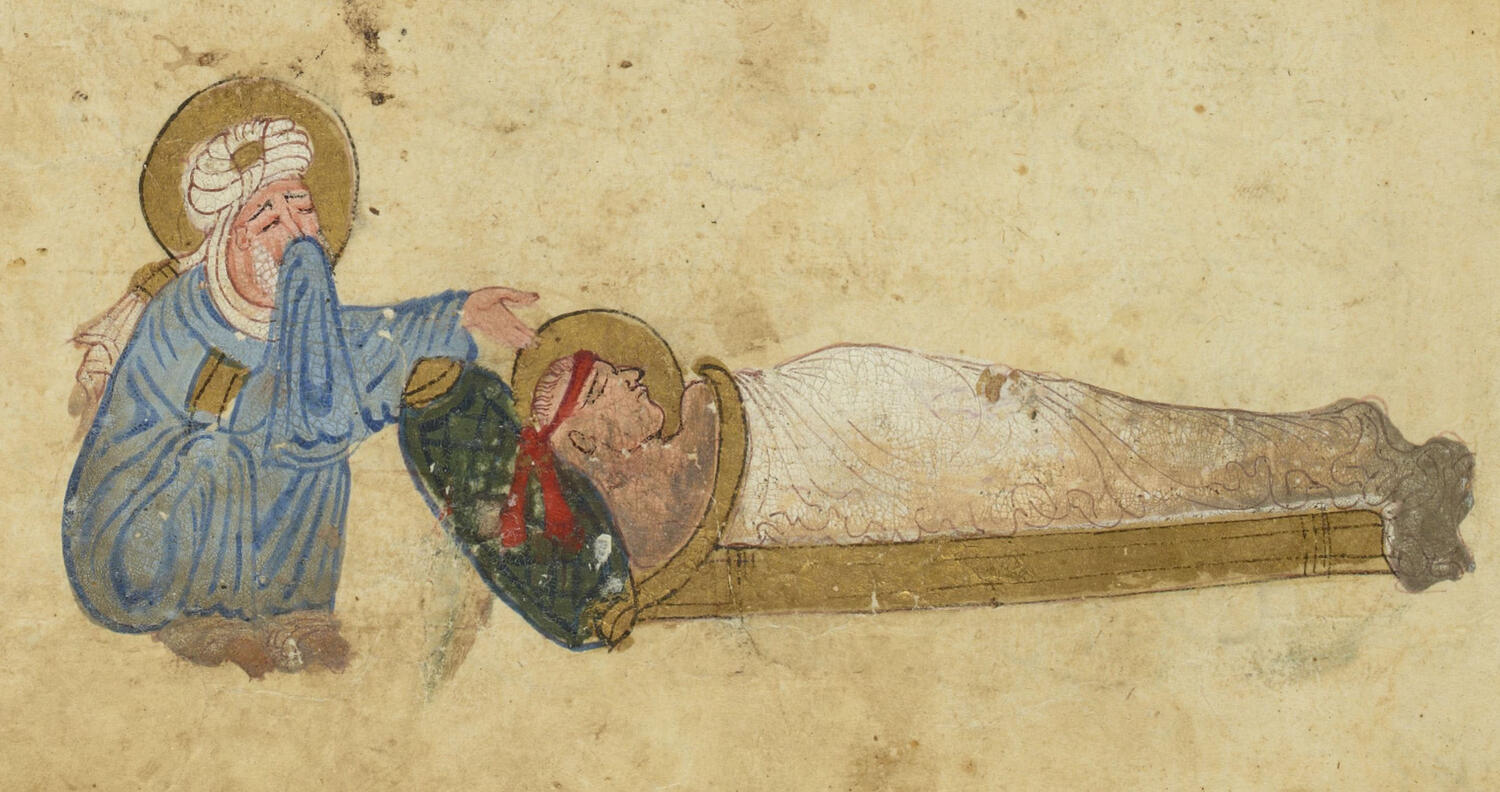

Credits
Published in: The Posen Library of Jewish Culture and Civilization, vol. 3: Encountering Christianity and Islam.
You may also like

Proclaim liberty, tarry not
Listen, my friend
I'll ascribe might and glory to my God

Poems I–X: On the Death of His Brother
Poems XI–XIV: Mourning His Brother
Poems XV–XIX: Memories of His Brother
You may also like
Proclaim liberty, tarry not
Listen, my friend
I'll ascribe might and glory to my God
Poems I–X: On the Death of His Brother
Poems XI–XIV: Mourning His Brother