

Winter kept its vow
About This Entry
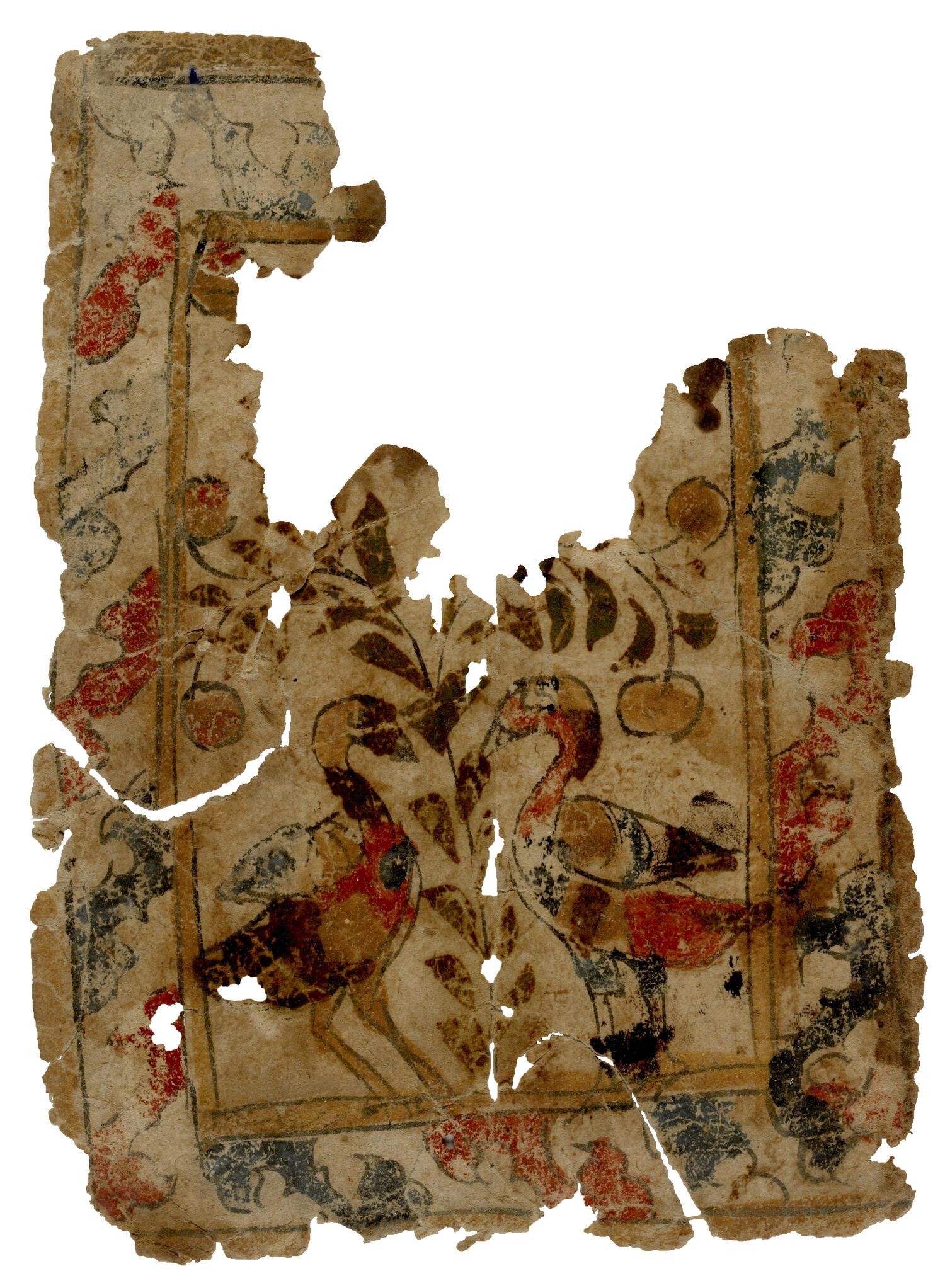
Ibn Gabirol ruminates on the change of seasons in this Hebrew poem. His description animates the landscape—the weather, the flowers, and the birds—all in evocative, human terms.

Credits
Solomon Ibn Gabirol, “Winter kept its vow,” from Vulture in a Cage: Poems by Solomon Ibn Gabirol, trans. Raymond P. Scheindlin (Brooklyn, N.Y.: Archipelago Books, 2016), 215. Used with permission of the publisher.
Published in: The Posen Library of Jewish Culture and Civilization, vol. 3: Encountering Christianity and Islam.
You may also like

Speak, messenger

Betrothed to the earth’s dust
This 11-century Hebrew poem laments the death of a young unmarried woman, contrasting the waste and humiliation of death with the honors that married life would have brought her.
For the mountain of Zion
I bear my wandering

The Lord judges nations
I have a beautiful friend
You may also like
Speak, messenger
Betrothed to the earth’s dust
This 11-century Hebrew poem laments the death of a young unmarried woman, contrasting the waste and humiliation of death with the honors that married life would have brought her.
For the mountain of Zion
I bear my wandering