

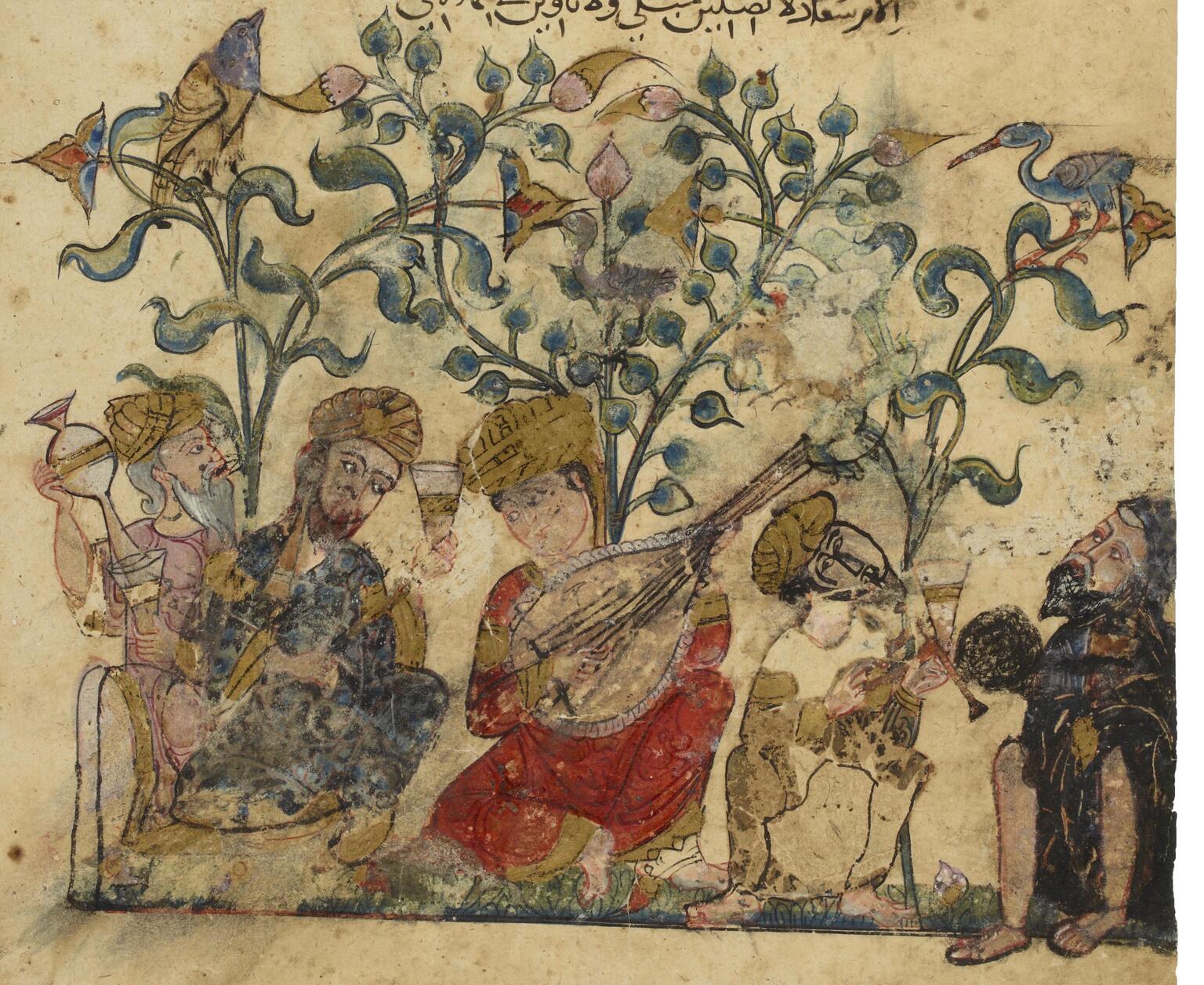
My heart’s desire
Image
Please login or register for free access to Posen Library
Already have an account?
You may also like

Hurry to the lovers’ camp
Hurry to the lovers’ camp,
Dispersed by Time, a ruin now;
Once the haunt of love’s gazelles,
Wolves’ and lions’ lair today.
From far away I hear Gazelle,
From Edom’s keep and Arab’s cell,
Mourning…


The beautiful one who dwells within
This excerpt comes from a kinah (lament) for the 1096 massacres of Jews in the Rhineland and describes the murder of children at the hands of their mother.
If only my whole head could be water
This poem integrates accounts of the persecutions, forced conversions, and murders of the First Crusade into the tradition of laments for the Jerusalem Temple.

I'll sing a song of a battle array
This medieval Hebrew poem about a game of chess paints a detailed picture of the rules of the game.
Crystal Chess Piece
This chess piece was unearthed in the Jewish quarter in Cologne, Germany. It resembles other chess pieces found in Western Europe, all of which were produced in tenth-century Egypt. Collectively…
At my birth the spheres
At my birth the spheres and planets strayed in their orbits;Were I a merchant of candles the sun would not set until I died!In vain I strive for success, for my stars have played false with me;Were I…